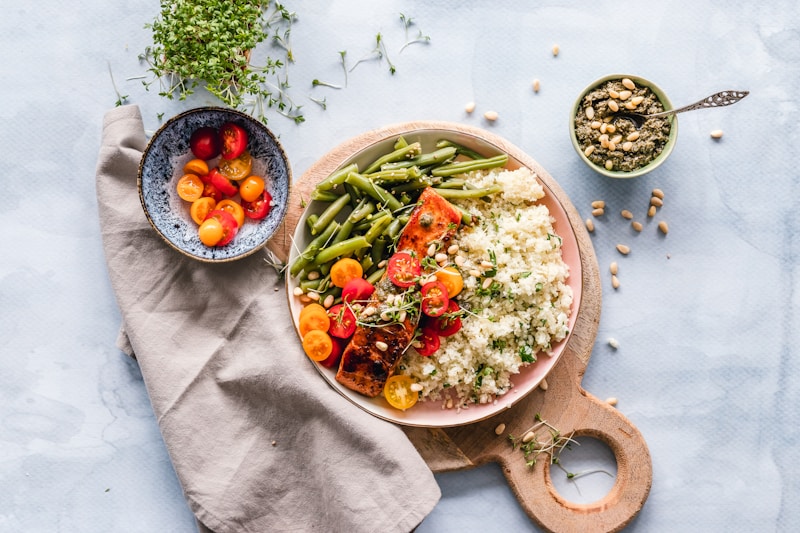
Once you’ve got the core process down — mash, boil, ferment, package — the real fun begins. Adjuncts and additions are how homebrewing becomes an endlessly creative pursuit. The question stops being “how do I make beer?” and starts being “what if I added blood orange?”The key principle: add adjuncts at the right stage to preserve what you want from them. Heat destroys delicate aromatics. Fermentation scrubs away volatile compounds. Timing is everything.
Fruit: For fresh flavor and aroma, add to secondary fermentation after primary has subsided. Purees work best for most fruits (easy to sanitize at pasteurization temp). Citrus zest can go in at flameout or dry-zest in the fermenter. Avoid boiling fresh fruit — you’ll cook off all the aroma and pectin-haze the beer.
Coffee: Cold brew concentrate added at packaging is the cleanest approach — bright, fresh coffee character without harsh tannins. Whole beans can also be added to secondary (cold steep method) for 12–24 hours and pulled out before packaging.
Spices: Less is almost always more. Vanilla works beautifully in a stout (whole beans split and added to secondary). Coriander and orange peel define a Belgian Wit (add at flameout). Ginger and cinnamon in a winter warmer — go lighter than you think, then taste and adjust.🍒 Fruit: add to secondary after primary fermentation☕ Coffee: cold brew concentrate at packaging — cleanest result.



Leave a Reply