You crack open your latest batch, take a sip, and something’s wrong. Not terrible, but off. A little harsh, a little funky, a little… not what you wanted. Welcome to the single most educational experience in homebrewing: diagnosing an off-flavor and figuring out what went wrong.
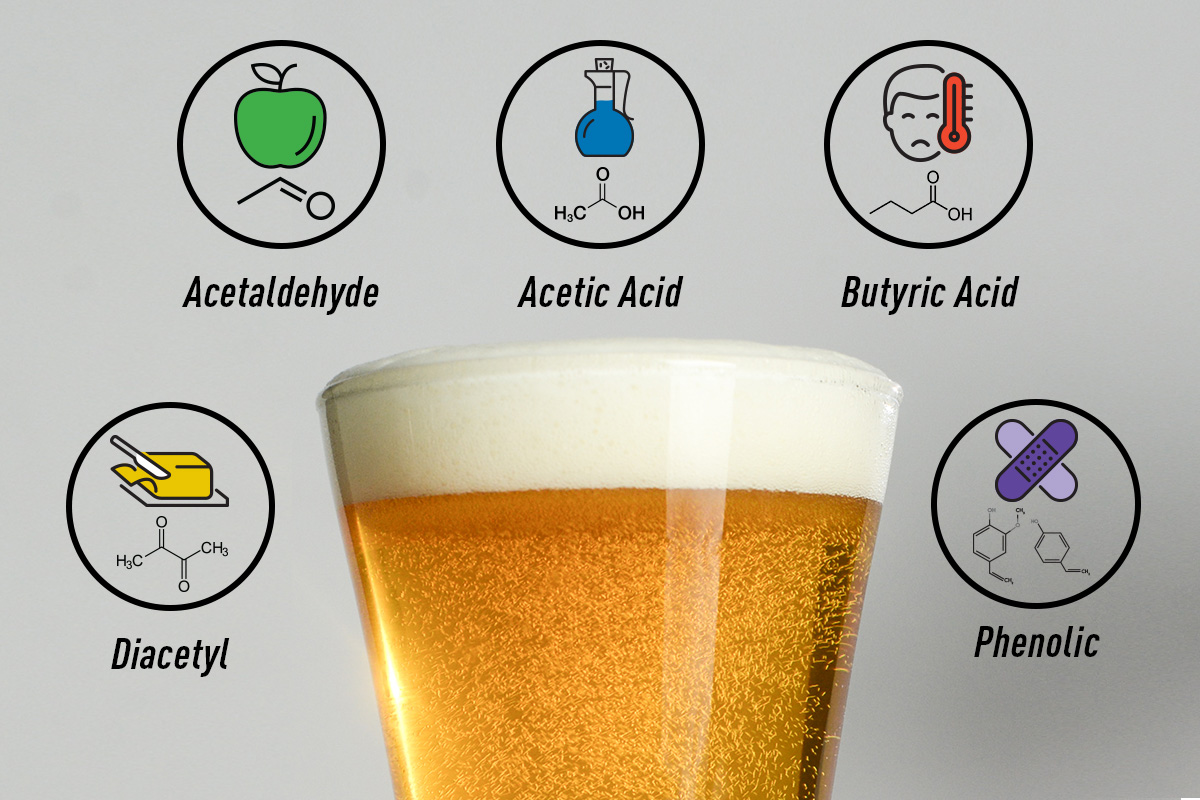
The most common culprits and what they taste like: Acetaldehyde — green apple. Usually from packaging too early before fermentation fully completes. Fix: give the beer more time in the fermenter, or rouse the yeast. Diacetyl — butter or butterscotch. Also from rushed fermentation. A diacetyl rest (raise temp to 68–72°F for 48 hours at the end of fermentation) fixes it before it sets. Fusel alcohols — hot, harsh, solvent-like. Fermentation temperature too high. Control your fermentation temp. DMS (dimethyl sulfide) — cooked vegetables, canned corn. Usually from a slow or covered boil. Keep the boil vigorous and uncovered. Chlorophenol — plastic, medicinal. Chlorinated tap water reacting with your beer. Use a Campden tablet or switch to filtered water.
The best tool for diagnosing off-flavors isn’t a chemistry kit — it’s experience. Keep notes on every batch. When something tastes wrong, write it down. Over time, you build a mental flavor map that makes the source of a problem almost immediately obvious.🍏 Green apple: acetaldehyde — ferment longer🧈 Butter/butterscotch: diacetyl — diacetyl rest.

Leave a Reply