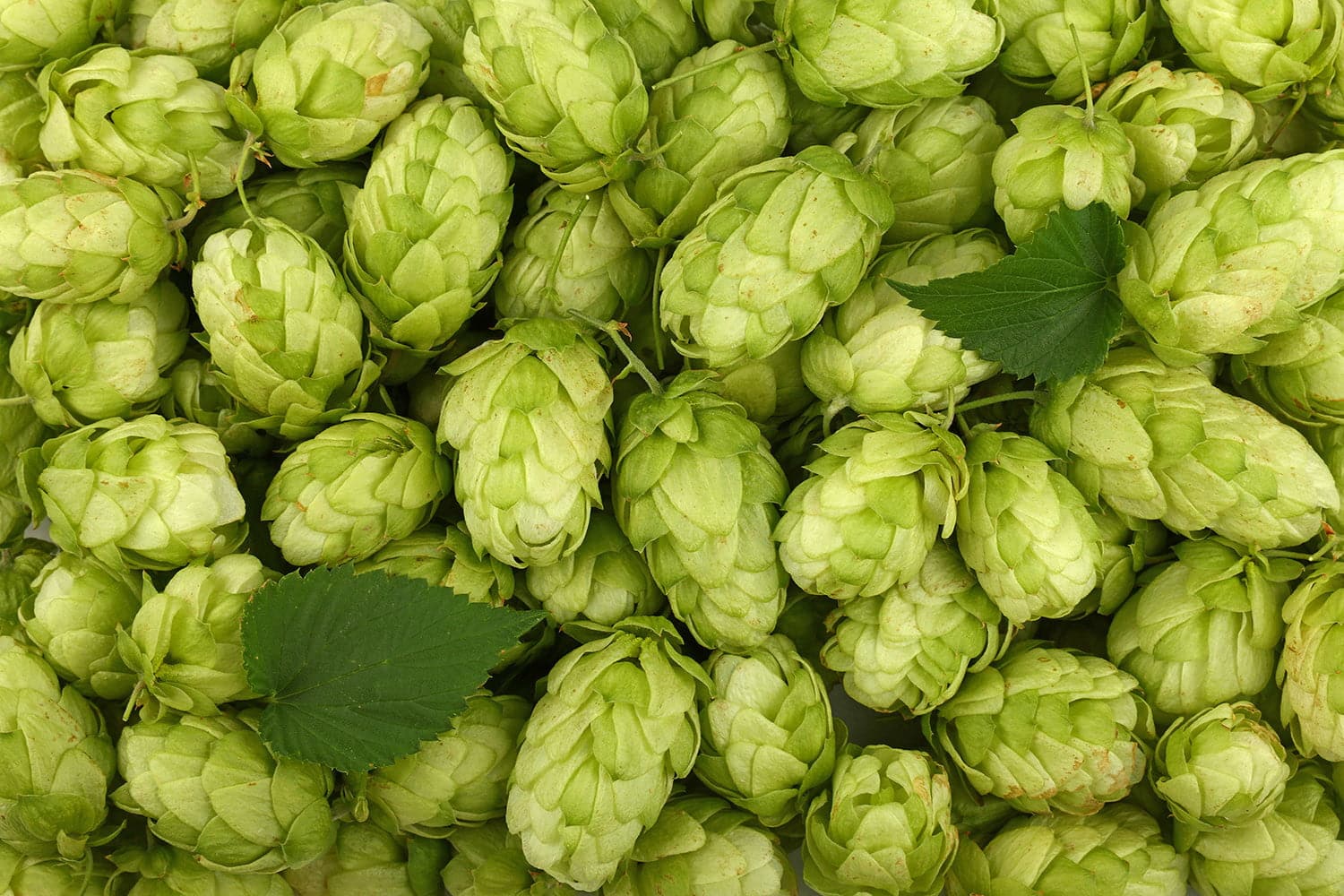
Hops are the rock stars of craft beer. And like most rock stars, they’re a little complicated — but once you understand what they actually do, they stop being intimidating and start being one of the most fun variables in your brewing toolkit.
Hops do two fundamentally different things depending on when you add them. Bittering hops go in early — typically at the start of a 60-minute boil. The long boil isomerizes the alpha acids, converting them into the bitterness compounds that balance the sweetness of the malt. The actual aroma from these hops mostly boils off. Aroma hops go in late — the last 5-15 minutes of the boil, or at flameout — preserving the volatile aromatic compounds that give beer its citrus, pine, tropical, or earthy character.
Then there’s dry hopping: adding hops directly to the fermenter after primary fermentation, with no heat involved. This extracts pure aroma without any bitterness — the reason modern IPAs can smell like a fruit stand while remaining surprisingly drinkable.
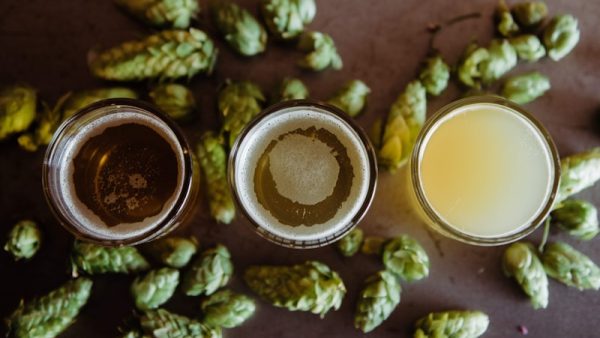
Some powerhouse varieties to know: Citra (intense tropical fruit, lime), Cascade (the classic American citrus/grapefruit hop), Centennial (floral, citrus, backbone), Mosaic (blueberry, papaya, versatile), and Saaz (earthy, spicy, the soul of a Czech Pils).
⏱

Leave a Reply